

What is full fibre broadband?
Developments into full fibre broadband have allowed for increased download and upload speeds up to 1000Mbps. For these speeds to be achievable and reliable, especially through busy periods, fibre-to-the-premises (FTTP) needed to be invented.
Part-Fibre vs Full Fibre
Originally, the only form of fibre was the standard version named fibre-to-the-cabinet (FTTC). As technology has improved and increased speeds are sought-after, fibre-to-the-premises (FTTP) was invented.
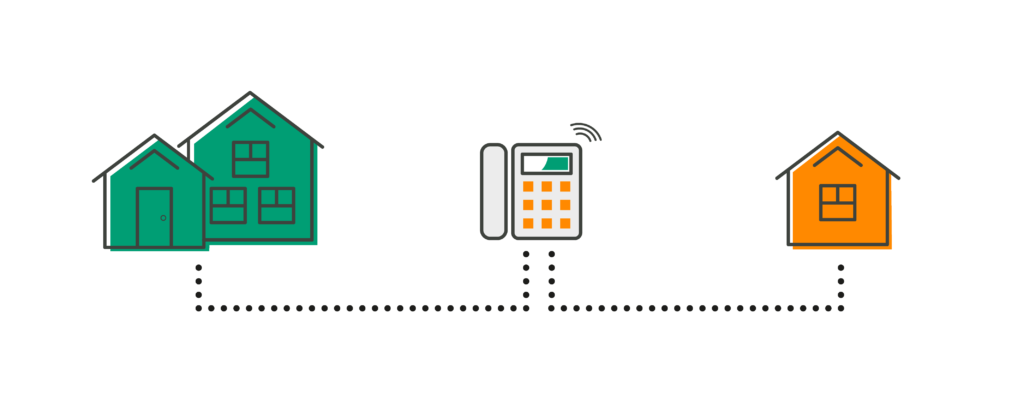
Fibre-to-the-cabinet (FTTC)
Within the early 2000s, fibre optic cables were starting to be used. With it being brand new technology, it ended up being very expensive to roll out on a national scale. It wasn’t until around 2008 when it was picked up more by the general public with the use of FTTC.
Fibre optic cables are run from the exchange to the cabinet which is local to your premises. From there, copper cables are then run from the cabinet to the premises. This connects the premises to the exchange however it does impact the broadband speed achievable. This is because copper can’t transfer the speeds quickly or efficiently like fibre optic cables.
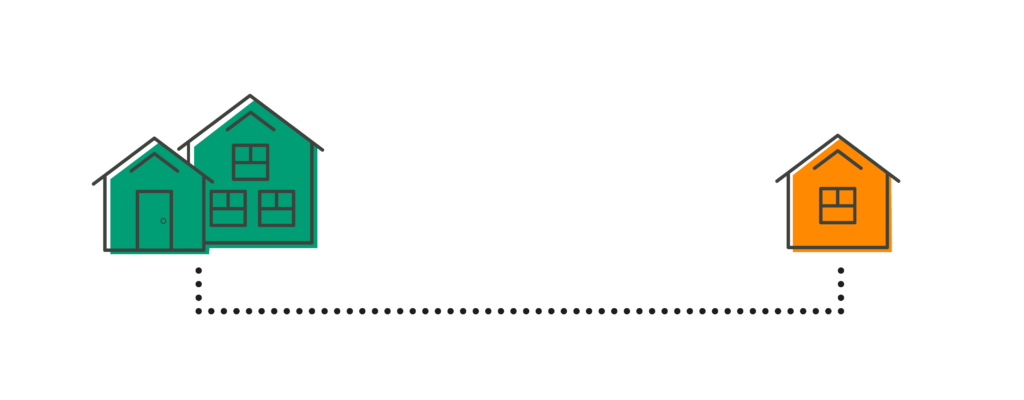
Fibre-to-the-premises (FTTP)
Similar to FTTC, FTTP connects to the exchange with a fibre optic connection. The difference is, fibre optic cables continue past the cabinet and connects directly to your premises.
In recent years, FTTP has become the new standard for home and business broadband. It allows for uninterrupted download and upload speeds reaching into the gigabytes whilst keeping the pricing as low as the original FTTC.